













Overcoming Sleep Deprivation: Why Sleep Matters for Both Parents and Babies
- June 18, 2024
- face3media


As a parent, you’ve probably had your fair share of sleepless nights. That means you’ve also experienced the mental and physical fallout after a poor night’s sleep.
It’s no surprise that sleep is critical for you and your baby’s well-being. Still, you might be surprised to find out just how many aspects of health sleep can impact. Read on to learn more, plus get strategies to help you and your little one sleep better.
Sleep deprivation is a condition in which you don’t get enough good quality sleep. It can be long or short-term, with longer-term cases having more severe impacts on health. It can happen for many reasons, ranging from lifestyle factors to age-related bodily changes.
For most parents, your baby’s sleep dictates your own. If they’re experiencing sleep deprivation, so are you. Babies can struggle with sleep for many reasons, including:
Sleep is critical for a baby’s physical and cognitive growth. It boosts memory development, regulates emotions, and supports language development. Babies also release the most growth hormones during sleep, making it a key time for physical growth.
When a baby experiences sleep deprivation, they may have the following side effects:
As a parent, sleep is still critical for healthy brain function and overall physical health. During sleep, your heart rate and circulatory system slow. You release different hormones and your body has a chance to recover and repair damage.
Side effects of sleep deprivation vary but can include:
You and your baby’s sleep go hand-in-hand. To address your lack of sleep, you’ll first need to help your baby sleep.
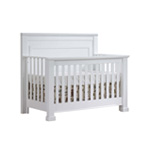
Consider your nursery room first. It should be a proper temperature for sleeping – typically 68 to 72 degrees Fahrenheit or 20 to 22 degrees Celsius. Block out light to aid with daytime naps. Ensure that your baby has clean breathing air by choosing baby-safe furniture. Natart’s baby furniture is Greenguard Gold Certified, meaning each piece is very low in VOCs (volatile organic compounds) and top tier in safety.
Your routine signals to your baby when it’s time to sleep. Prior to bedtime, minimize stimulation to help them calm down for the night. You might include reading, bathing, or rocking to help soothe the baby.
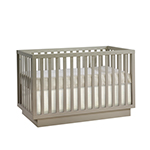
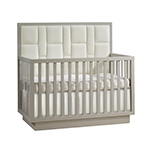
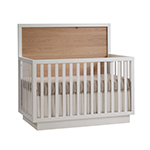
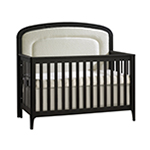
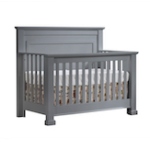
Keep their space the same, too. A convertible crib, like the Como 4-in-1, can help your child transition through all stages (baby, toddler, child, and teenager) as the crib grows with them. Having this familiar component as your child ages can help them feel safe even as their room changes to suit their needs.
Seek out ways to match your sleep to your baby’s sleep. If possible, nap when they nap. Ask for help from your support system, whether that means asking your mother to babysit while you catch up on sleep or asking your sister to help you catch up on household chores so you have more time to sleep later. Most importantly, share nighttime duties with your co-parent. You might switch back and forth each time the baby wakes up, or alternate nights on duty. Whatever works for you!
If you’re a new parent, know that your baby will learn to sleep through the night. It takes time, solid bedtime routines, and the right environment, but you can do this. If you’re struggling, don’t be afraid to forgo any “extras,” like keeping the house perfectly tidy. Focus on sleep first to ensure that your family is healthy, and the rest will come.
